
Sariska’s Living
Chronicles & Ecosystem
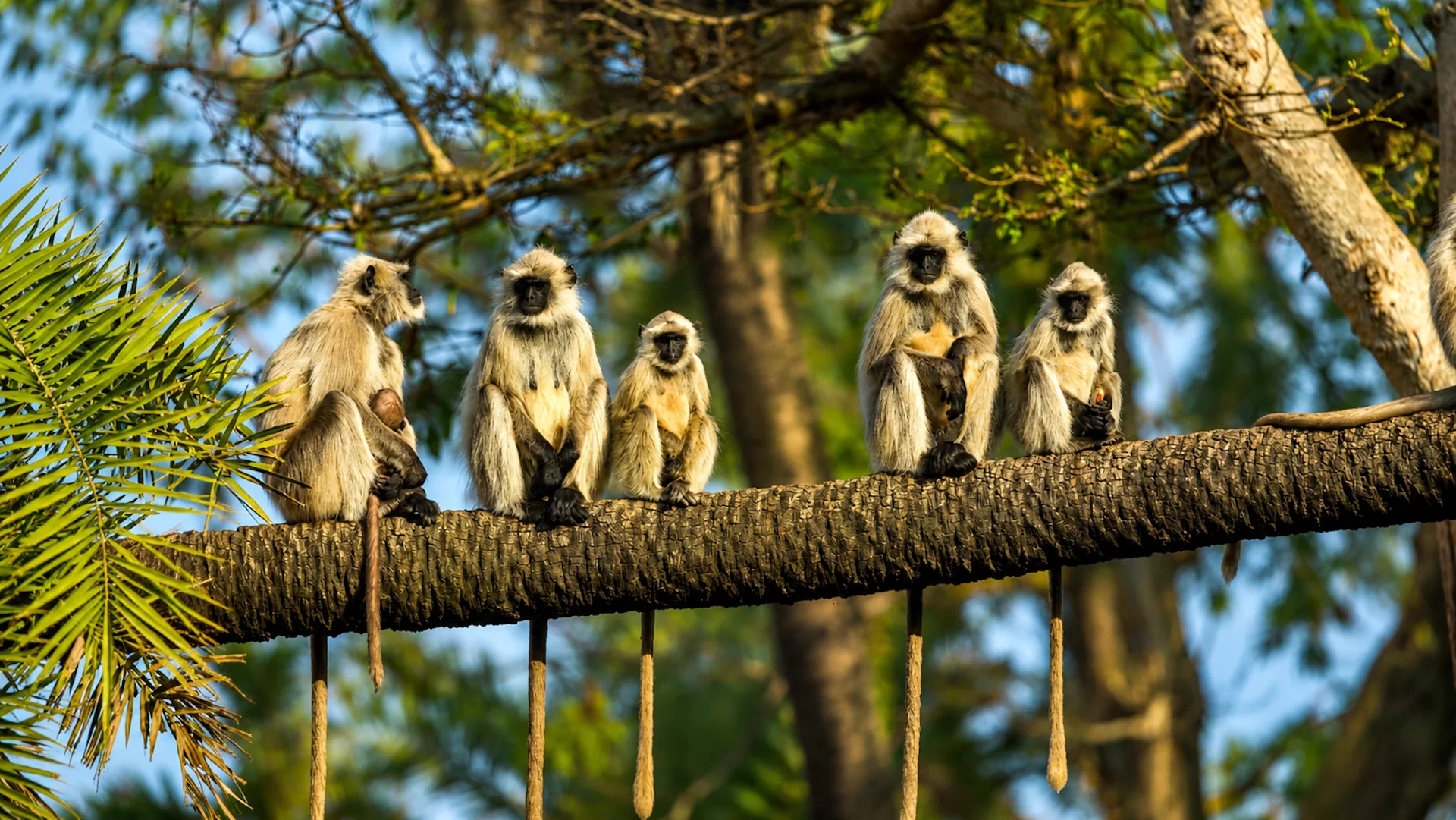
An ancient dry-deciduous expanse draped over the rugged ridges of the Aravali Range. Sariska is not just a protected sanctuary—it is a resilient cradle of evolutionary wilderness, micro-climates, and untamed heritage.
The Resurrection of
The Apex Predator
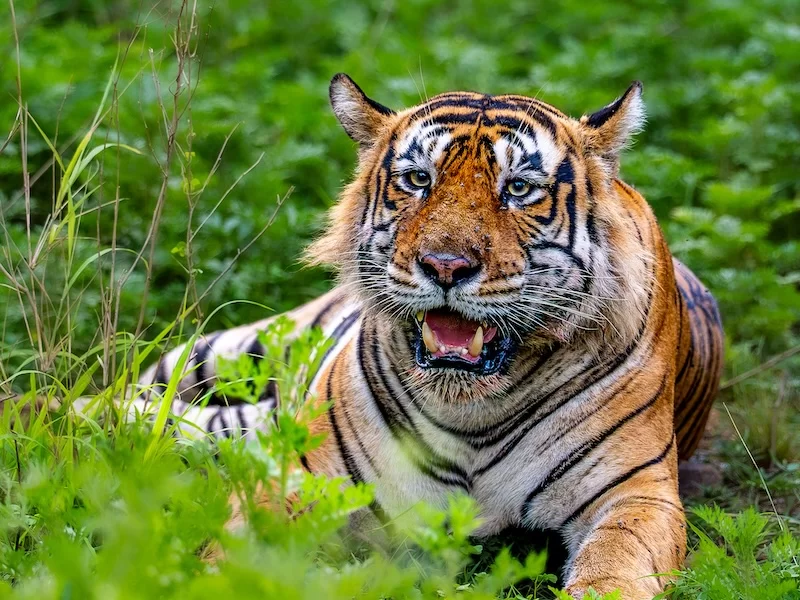
Sariska stands as a monumental pillar in global wildlife conservation history. As the first reserve in the world to successfully rehabilitate and repopulate apex Royal Bengal Tigers via scientific translocation after a catastrophic period of local extinction, this park is a living testament to environmental resilience and human dedication.
Today, the rocky gorges and dense dhok valleys echo once more with territorial roars. Tracking these ghost-like predators across steep quartz cliffs and sandy riverbeds requires deep bushcraft skills, tracking instincts, and acoustic orientation—arts that our resident naturalists have spent decades mastering to perfect your tracking safaris.
The Co-Inhabitants of the Shola & Scrub
Beyond the majestic tiger, Sariska harbors a remarkably dense concentration of mammalian species, specialized raptors, and adaptive seasonal predators that thrive across its contrasting topographical terrain.
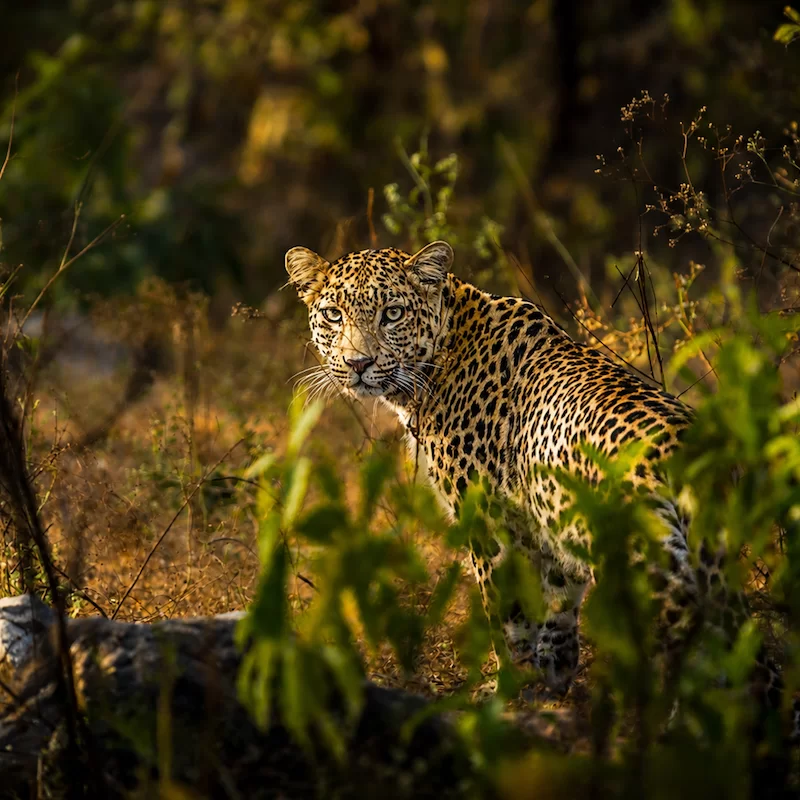
Indian Leopard
The elusive Indian Leopard is one of Sariska's most adaptable predators, thriving across its rocky hills, dry deciduous forests, and rugged ravines. Often spotted during early morning and evening safaris, this solitary big cat is renowned for its stealth, agility, and remarkable ability to blend seamlessly into the Aravalli landscape.
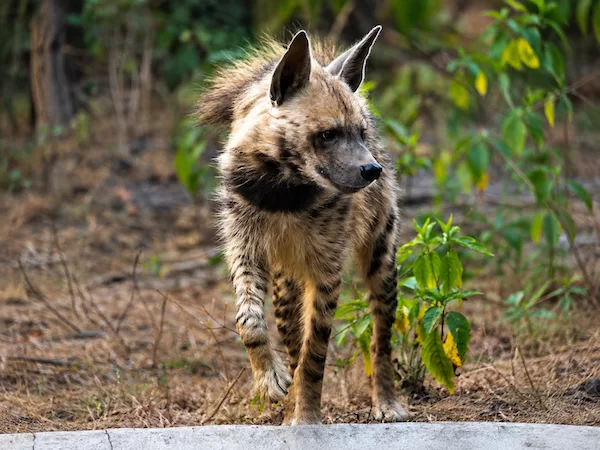
Striped Hyena
A shy and predominantly nocturnal resident of Sariska, the Striped Hyena plays a vital role in maintaining the forest's ecological balance. Though rarely seen during the day, patient visitors may catch a glimpse of this fascinating scavenger navigating rocky trails and scrub forests after dusk.
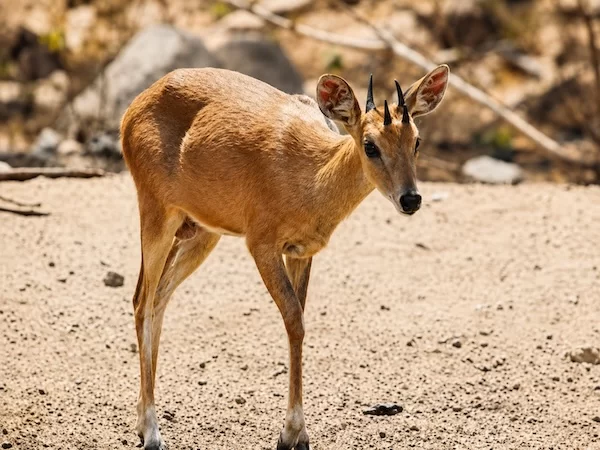
Four-Horned Antelope (Chousingha)
One of India's most unique and rarely seen antelopes, the Four-Horned Antelope finds refuge within Sariska's undulating woodlands and grassy clearings. Distinguished by its rare four-horned appearance, this timid herbivore is a prized sighting for wildlife enthusiasts and photographers alike.
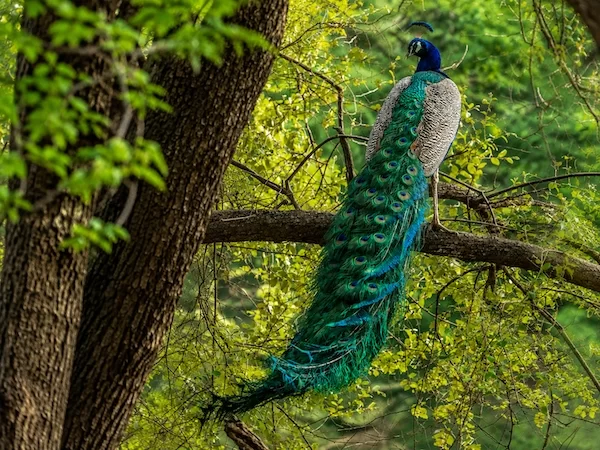
Indian Peafowl
The vibrant Indian Peafowl is among the most commonly sighted birds in Sariska, adding brilliant colour and unmistakable calls to the forest. During the monsoon season, the spectacular courtship displays of the peacock become one of the reserve's most captivating natural spectacles.
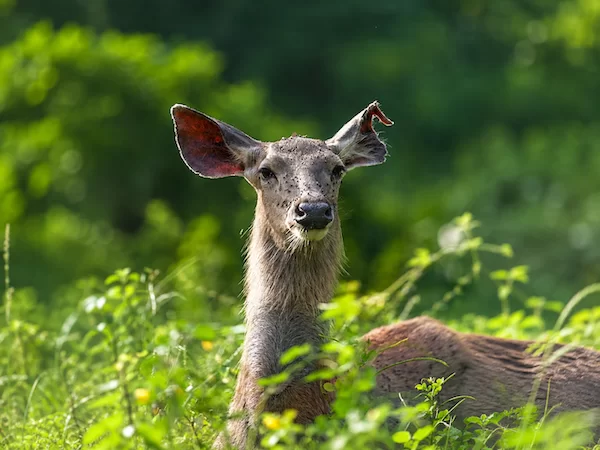
Sambar Deer
The Sambar Deer is the largest deer species found in Sariska and serves as a primary prey animal for the reserve's tigers and leopards. Frequently seen grazing in meadows or near forest waterholes, these majestic deer are an integral part of Sariska's thriving ecosystem.
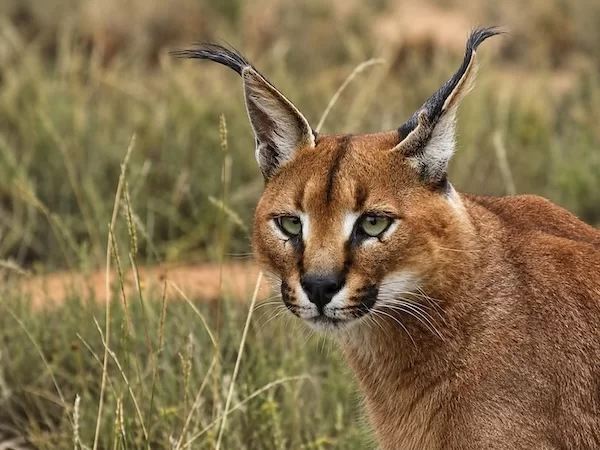
Indian Caracal
One of Sariska's rarest and most elusive inhabitants, the Indian Caracal is a striking wild cat recognized by its sleek build and distinctive black-tufted ears. Inhabiting the reserve's scrublands and rocky terrain, this exceptionally uncommon predator remains a dream sighting for seasoned wildlife enthusiasts and conservationists.
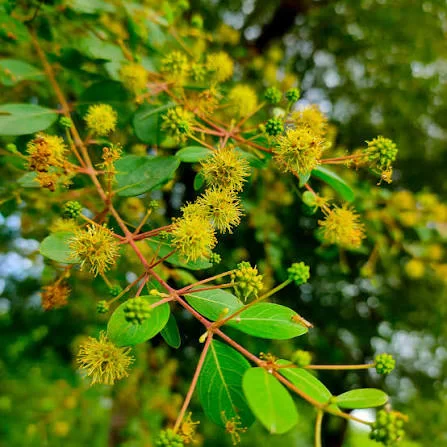
Anogeissus pendula
The dominant tree system covering over 70% of the reserve. Its leaves dynamically shift from matte olive-green to deep charcoal-copper shades during the dry summer squeeze.
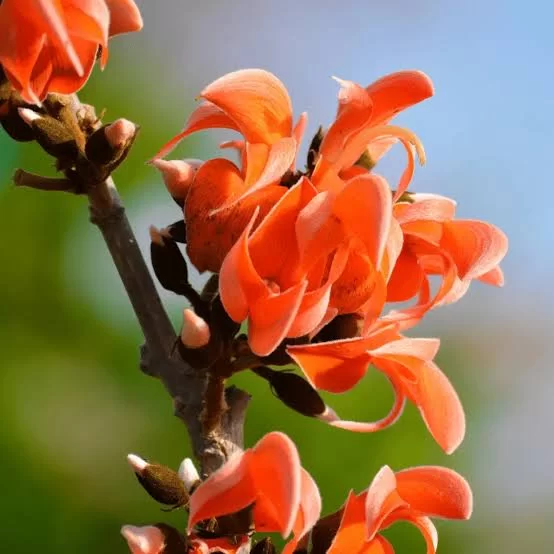
Butea monosperma
When spring breaks, these sculptural trees shed their leaves and erupt into massive clusters of bright vermillion flowers, painting the open dry clay flats with striking, vivid color.
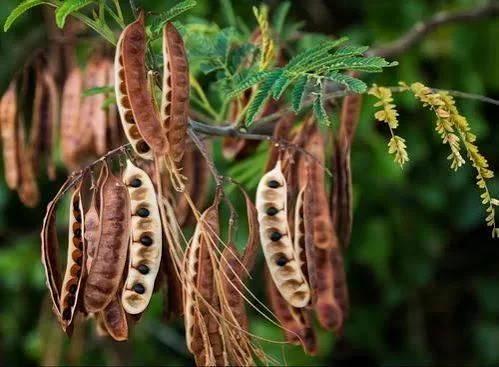
Acacia catechu
A hardy, thorny tree that thrives on the gravelly soils of the Aravali slopes. It provides crucial shade and high-protein pods for browsing herbivores during the dry season.
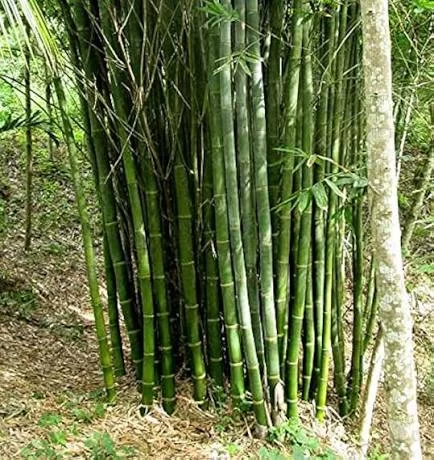
Dendrocalamus strictus
Thriving along seasonal riverbeds and humid valleys, these dense bamboo thickets provide vital concealment pathways for predators stalking prey through the undershrub.
The Adaptive Flora
of the Desert Slopes
Sariska’s unique vegetation is an evolutionary wonder of survival. Thriving inside a challenging environment characterized by extreme summer temperatures and minimal monsoonal windows, the local flora has evolved specialized water-retention mechanisms, deep-root structures, and dynamic seasonal shifts.
The dry-deciduous valleys are filled with thorny scrub, specialized khair woodlands, and heavy patches of tall bamboo along the moisture-rich natural waterholes. This rich layer provides vital cover for target prey and tactical concealment for apex carnivores.